Source portable card mp3 player for events, gifts, and promotions
Compare 30 portable card mp3 player options from Shenzhen suppliers. Buyers can review features like USB 2.0 interfaces, MP3 support, and various memory sizes including SD and TF cards.
Key considerations
Products List


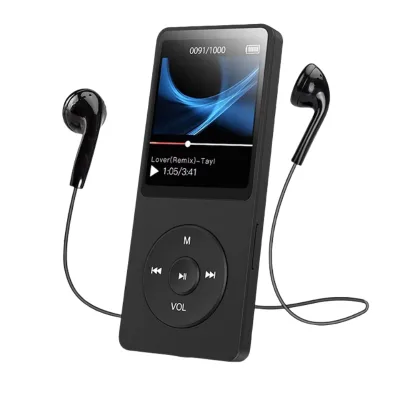
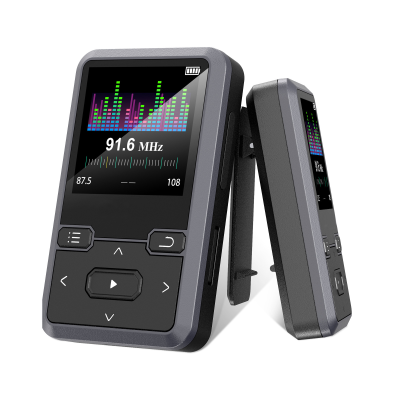


Comprehensive Sourcing Guide
Strategic Sourcing Guide for Portable Card MP3 Players
The global market for portable audio devices has seen a significant shift toward compact, specialized solutions, with the portable card MP3 player emerging as a distinct category for corporate gifting, promotional campaigns, and niche educational applications. Unlike traditional handheld music players, these devices are engineered to mimic the form factor of a standard credit card, offering a unique blend of portability and utility. For B2B procurement professionals, sourcing these items requires a nuanced understanding of the diverse technical configurations available, as the market is not monolithic. The following guide analyzes the critical dimensions of this product category, drawing strictly from observed market data and established procurement principles to assist buyers in making informed decisions.
Technical Specifications and Functional Variability
When evaluating portable card MP3 players, the first step is to recognize that "card MP3 player" is a broad descriptor covering a spectrum of hardware capabilities. The observed market data reveals a clear bifurcation in technical specifications, particularly regarding user interface and audio output. Some units are designed with a minimalist approach, featuring a push-button operation mechanism and lacking a screen entirely. These models often rely on a simple LED indicator or no visual feedback, focusing purely on audio playback. In contrast, other variants in the same category are equipped with an OLED display or a 1.8-inch TFT screen, providing visual navigation for track selection and battery status.
The audio interface is another critical differentiator. While the core function remains MP3 playback, the presence of a loudspeaker varies significantly. Procurement teams must verify whether the unit includes a built-in loudspeaker function or if it is designed exclusively for headphone output. The absence of a loudspeaker is common in ultra-thin models to preserve the credit-card profile, whereas models with a speaker function often require a slightly thicker chassis. Furthermore, the memory architecture is a key technical consideration. The market offers devices that work with SD cards, TF cards, or specific proprietary card formats. Some specifications indicate support for "RO SD Card" or generic "Work with Card" functionality, suggesting a need to verify the specific card slot type and maximum supported capacity before bulk ordering.
| Feature Category | Observation A (Minimalist) | Observation B (Feature-Rich) |
|---|---|---|
| Display | Without Screen | OLED or 1.8-Inch TFT Screen |
| Operation | Push-Button | Touch Interface |
| Audio Output | Without Loud Speaker Function | Loud Speaker Function Available |
| Memory Support | SD Card / RO SD Card | TF Card / Work with Card |
| Recording | Without Recording Modes | Sp (Spoken) Recording Modes |
| Radio | Without FM Radio | FM Radio Function Included |
The physical dimensions also vary, with observed sizes ranging from 9.6 x 4.5 x 0.9 cm to 95 x 28 x 15 mm. While the former aligns closely with a standard credit card, the latter suggests a slightly more robust build, potentially accommodating a battery or speaker. Buyers must cross-reference these dimensions with their intended use case, such as whether the device needs to fit into a standard wallet slot or if a slightly larger profile is acceptable for enhanced features.
Compliance, Certification, and Material Standards
In the B2B sector, compliance is not merely a formality but a prerequisite for market entry and liability protection. The supply chain for portable card MP3 players often originates from manufacturing hubs in Shenzhen, China, specifically within the Guangdong province. This region is known for its dense electronics ecosystem, but it also necessitates rigorous verification of quality standards. The observed data indicates that some suppliers adhere to high-quality standards and possess SGS certification, a globally recognized testing and certification body. Additionally, CE certification is explicitly mentioned in the product data, which is essential for selling electronic goods in the European market.
Material composition is another area requiring strict attention. The devices are constructed using ABS plastic, a durable and lightweight thermoplastic commonly used in consumer electronics. However, other observations note a combination of Metal and Plastic, which may offer a more premium feel but could impact weight and cost. For corporate branding, the material choice influences the feasibility of custom logo application. The data confirms that customization options, such as custom logos on the MP3 player, are available. This is a critical factor for companies seeking branded merchandise. Buyers should verify that the material surface is suitable for the intended printing method, whether it be laser engraving, screen printing, or UV printing, to ensure the logo remains durable over the product's lifecycle.
Cost Drivers and Pricing Dynamics
The pricing structure for portable card MP3 players is influenced by a complex interplay of features, customization, and order volume. The observed price range in the market spans from $0.10 to $99.90 USD, a wide disparity that reflects the difference between basic, unbranded units and feature-rich, certified models with custom packaging. Several factors drive these costs. First, the inclusion of an OLED or TFT screen significantly increases the unit price compared to screenless models. Similarly, the addition of an FM radio function, recording capabilities, or a built-in loudspeaker adds to the component cost.
Customization is a primary cost driver. While the base unit price may be low, the requirement for a custom logo, specific packaging (such as retail boxes or bulk boxes of 100 pieces), and specific branding elements will incur additional setup and per-unit fees. The packaging type also matters; "Retail Package" implies a more expensive, consumer-ready presentation compared to bulk packaging intended for internal distribution. Furthermore, the memory configuration affects cost. Devices supporting larger capacity cards or specific proprietary formats may command a premium.
Buyers must also consider the Minimum Order Quantity (MOQ), which ranges from 1 to 1000 units in the observed data. Lower MOQs, such as single-unit orders, often carry a higher per-unit cost due to the lack of economies of scale. Conversely, orders approaching the 1000-unit threshold may unlock significant price reductions. Lead times are another variable; while some suppliers offer a rapid 3-day lead time, this is often contingent on stock availability or the complexity of the customization. Buyers should anticipate that custom orders with specific certifications or unique material requirements may extend the lead time beyond the standard 3-day window.
Typical Applications and Use Cases
The unique form factor of the card MP3 player makes it ideal for specific B2B applications where portability and branding are paramount. One of the most common use cases is corporate gifting and promotional merchandise. The credit-card shape allows the device to be easily carried in a wallet or badge holder, ensuring high visibility and utility for the recipient. This makes it an effective tool for brand recall in trade shows, conferences, and client appreciation events.
Another significant application is in the educational and training sectors. The ability to record audio (in models with recording modes) and play back MP3 files makes these devices suitable for language learning tools, lecture recordings, or training modules. The compact size ensures they do not add bulk to a student's or employee's bag. Additionally, the FM radio function in certain models adds value for users who require access to live broadcasts or news updates while traveling.
For event organizers, these players serve as excellent welcome kits or party favors. The ability to pre-load specific music playlists or event information onto the SD or TF card allows for a personalized experience. The "business card" variant, in particular, is designed to be handed out like a traditional business card, blurring the line between contact information and a functional media device. This dual utility enhances the perceived value of the gift, making it more likely to be retained by the recipient.
Supplier Evaluation and Quality Control
Selecting the right supplier for portable card MP3 players requires a multi-faceted evaluation process. Given the concentration of manufacturers in Shenzhen, buyers should prioritize suppliers who can demonstrate transparency in their production processes. The presence of certifications like SGS and CE is a strong indicator of a supplier's commitment to quality and regulatory compliance. However, buyers should not rely solely on these claims; they must request valid certification documents and verify their authenticity.
Quality control should be integrated into the procurement workflow from the outset. Buyers should establish clear acceptance criteria based on the observed specifications. For instance, if a specific model is ordered with an OLED screen, the supplier must guarantee that the display is free of dead pixels and that the touch interface responds accurately. Similarly, for models with recording capabilities, the audio quality and recording duration must be tested against the stated specifications. The battery life, observed to be less than 10 hours in some cases, should be verified under standard usage conditions to ensure it meets the operational requirements of the end-user.
Communication is another critical factor. Suppliers offering customization services must be able to provide clear artwork guidelines and proofing processes. The ability to produce a sample before mass production is essential to verify the quality of the custom logo and the overall build. Buyers should also inquire about the warranty terms; a 12-month warranty is a common standard in the observed data, but the terms of coverage and the process for handling defective units should be clearly defined in the contract.
Long-Term Procurement Considerations
Sourcing portable card MP3 players is not just a one-time transaction but a strategic decision that impacts long-term brand perception and operational efficiency. One of the primary considerations is the scalability of the supply chain. As demand fluctuates, buyers need to ensure that their supplier can ramp up production without compromising quality or lead times. The observed lead time of 3 days suggests a high level of agility, but this may not be sustainable for large, custom orders. Buyers should negotiate flexible lead time clauses that account for peak seasons or supply chain disruptions.
Sustainability is also becoming a critical factor in B2B procurement. While the materials used are primarily ABS plastic and metal, buyers should inquire about the environmental impact of the manufacturing process and the recyclability of the components. The packaging, whether retail or bulk, should be evaluated for its environmental footprint. Reducing packaging waste or using recycled materials can align with corporate sustainability goals and enhance the brand's image.
Finally, the lifecycle of the product must be considered. The "high quality" standard observed in the market suggests that these devices are built to last, but the electronic components, particularly the battery and memory cards, have finite lifespans. Buyers should plan for potential replacement cycles or upgrade paths. For large-scale deployments, having a reliable after-sales support channel is essential to manage warranty claims and technical issues. By focusing on these long-term factors, procurement professionals can ensure that their investment in portable card MP3 players delivers lasting value and aligns with their organization's strategic objectives.
FAQs
Can I get a custom logo on the portable card mp3 player?
Yes, custom logos are available on the MP3 player. This customization option allows for branding on the ABS or metal and plastic surface, though it may affect the lead time and unit cost depending on the order volume.
What certification does the portable card mp3 player have?
The product holds CE and SGS certifications. These standards ensure compliance with safety and quality requirements for international markets, particularly for electronic devices originating from manufacturing hubs in Shenzhen, China.
How long is the lead time for orders?
The standard lead time is 3 days for available stock. However, custom orders with specific logos or packaging may require additional processing time, so buyers should confirm the exact schedule before placing bulk orders.
Which memory card types are supported by the device?
The device supports SD cards, TF cards, and RO SD cards. Buyers must verify the specific slot type required for their chosen model, as memory architecture varies between minimalist and feature-rich variants in the market.
What is the minimum order quantity for this product?
The minimum order quantity ranges from 1 to 1000 units. Lower quantities often carry higher per-unit costs, while larger orders approaching 1000 units may unlock significant price reductions and better shipping terms.
Can the portable card mp3 player record audio?
Some models include recording modes while others do not. Buyers must check specific product attributes, as recording capabilities are not universal across all credit card MP3 player configurations and depend on the selected hardware version.
What is the warranty period for the device?
The product comes with a 12-month warranty. This coverage protects against manufacturing defects, but buyers should review the specific terms regarding repairs or replacements before finalizing their procurement agreement with the supplier.